Vet price transparency in the UK: what the CMA reforms actually mean for you
The bill arrived after a routine check-up, and it was nothing like you expected. No estimate upfront, no comparison possible beforehand — just a number on a screen and the quiet, sinking feeling that you had no way of knowing whether that was standard or steep. If that scenario is familiar, something has changed in your favour.
From October 2024, the Competition and Markets Authority (CMA) requires all veterinary practices in the UK to publish a standardised set of prices on their websites, including consultation fees and the costs of common procedures. This means pet owners can now compare vet prices before booking — a basic consumer right that the veterinary sector, surprisingly, had never been required to offer before.
The reforms follow a wide-ranging CMA market investigation into veterinary services, launched in 2023 and concluded in 2024, which found that limited price transparency was making it harder for pet owners to shop around or make informed choices about their pet's care. The investigation also raised concerns about consolidation in the sector — a small number of large corporate groups now own a significant share of UK vet practices — but the pricing rules are the change most pet owners will feel directly.
Why did the CMA investigate vets in the first place?
The CMA doesn't launch full market investigations lightly. Its 2023 decision to scrutinise veterinary services came after years of rising complaints about costs and a marked shift in how vet practices are owned and operated. According to the CMA's 2024 market investigation final report, the proportion of UK vet practices owned by corporate groups had grown substantially over the preceding decade, raising questions about whether competition — and with it, price pressure — was working as it should for consumers.
The CMA's 2024 veterinary market investigation found that many pet owners felt unable to compare costs between practices and lacked confidence that they were getting value for money. The investigation concluded that weak price transparency was a significant barrier to effective consumer choice in the UK veterinary sector.
The investigation also highlighted that the emotional dimension of pet ownership makes it harder to behave like a typical consumer. When your cat is in pain or your dog has eaten something it shouldn't, you're not in the ideal headspace to ring around for quotes. The reforms are partly designed with that reality in mind — if prices are published openly, you can do the research before you need it, not in a moment of panic.
What do vets have to publish now?
The CMA's transparency requirements set out a core list of pricing information that practices must make available on their websites. This includes the cost of a standard consultation, out-of-hours consultation fees, and whether the practice charges VAT. Practices must also be clear about any additional charges that routinely apply on top of a standard appointment.
Under the CMA's 2024 reforms, UK vet practices are required to publish consultation fees, out-of-hours charges, and information about any additional fees on their websites. Pet owners are also entitled to request an itemised invoice for any treatment their animal receives.
The requirement for itemised invoices is worth pausing on. For complex treatments or ongoing care, the detail of a bill can matter as much as the total. Knowing that you can ask for a line-by-line breakdown — and that your vet is obliged to provide one — changes the dynamic of the conversation slightly, and for many owners, that shift matters.
What the rules don't do is fix prices or tell practices what they can charge. Vet fees are not regulated in the way that NHS prescription charges are, and significant variation between practices — especially between independent practices and corporate-owned chains, or between urban and rural areas — will remain. The transparency rules simply mean that variation is now visible.
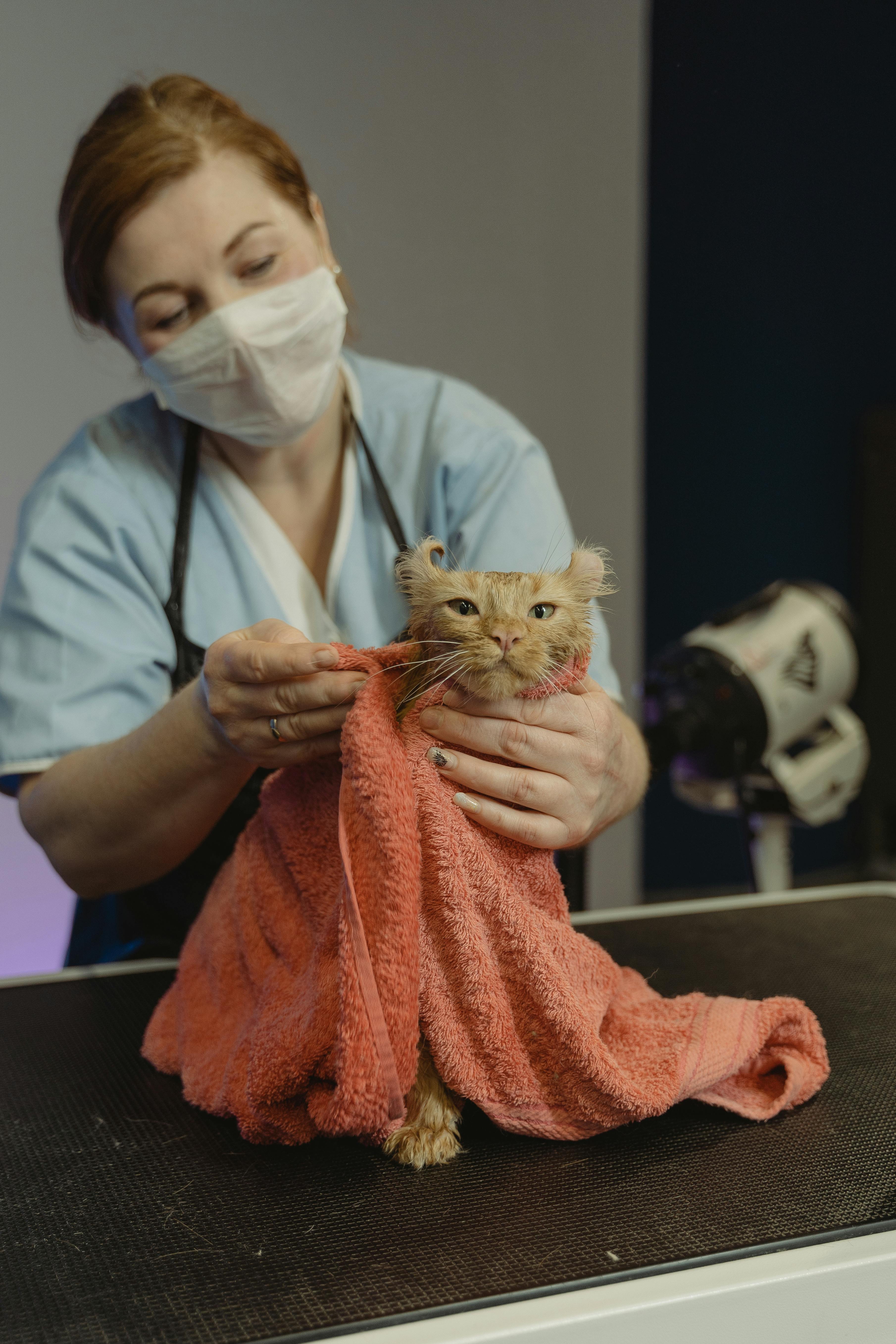
Does price always reflect quality?
This is the reasonable worry that sits behind a lot of the discomfort around vet price comparison. The concern is understandable: if you find a cheaper practice nearby, does that mean something is being cut? The CMA investigation addressed this directly, and the conclusion was nuanced rather than reassuring in either direction.
The CMA's 2024 investigation found no direct evidence that lower-priced veterinary practices provided lower-quality care, but noted that the absence of transparent pricing had made it difficult for pet owners to assess value. Price transparency does not replace clinical quality indicators, but it enables fairer comparison where consumers previously had no information at all.
The Royal College of Veterinary Surgeons (RCVS) regulates veterinary professionals and practices in the UK, and its standards apply regardless of what a practice charges. The RCVS Practice Standards Scheme, while voluntary, offers another signal: accredited practices have been assessed against defined criteria for facilities, equipment, and clinical governance. Checking whether a practice holds RCVS accreditation — and at what tier — is a useful complement to price comparison rather than a substitute for it.
What about out-of-hours care?
Out-of-hours costs are where many owners get the most unwelcome surprises, and the reforms address this directly. Practices must now publish their out-of-hours fees and be transparent about whether they provide emergency cover themselves or refer to a separate emergency service — which may be owned by a different organisation and carry very different pricing.
The CMA investigation found that the out-of-hours market had become increasingly concentrated, with a small number of corporate providers operating emergency services across wide geographical areas. Understanding who actually provides your emergency care — and what they charge — is now something you can research in advance, which is genuinely valuable when it's 2am and your dog has eaten a packet of raisins.
The CMA found that pet owners rarely compare vet prices before choosing a practice, and that most stick with the same vet for years without questioning the cost.
How to use vet price transparency: a practical checklist
Now that practices are required to publish their prices, here's how to make the information work for you:
- Check your current vet's published prices. Visit their website and look for a fees or pricing page. If you can't find one, they are required to provide this information — you can ask directly.
- Compare consultation fees in your area before you need to. Don't wait until your pet is ill. Look at two or three practices near you so you have a baseline for what's normal locally.
- Ask about out-of-hours cover upfront. Find out whether your practice handles emergencies themselves or refers elsewhere — and check the emergency provider's fees separately.
- Request an itemised invoice for any treatment. You're entitled to one, and it helps you understand what you're paying for, check it against your insurance policy, or ask informed questions if something seems unclear.
- Cross-reference price with RCVS accreditation. A practice's Practice Standards Scheme status is publicly searchable on the RCVS website and gives you a quality signal alongside the price.
- Use a comparison tool. Aggregator services that pull together published vet prices by postcode can save you time and show you a wider picture than visiting individual practice websites.

A note on vet costs and pet insurance
None of this is a reason to skip pet insurance if you can afford it. Price transparency makes it easier to choose between practices and understand your bills; it doesn't change the underlying cost of serious treatment, which can run into thousands of pounds for surgery, specialist referral, or ongoing management of a chronic condition. If you find yourself struggling to pay for your pet, you are not alone, with 4% of all cat owners cancelling their insurance, PDSA 2024
If you're uninsured and cost is a genuine barrier to care, the PDSA provides free and subsidised veterinary treatment to eligible pet owners through its network of PetAid hospitals — eligibility is based on receiving means-tested benefits. For everyone else, the new transparency rules at least mean you can make more informed decisions before costs become a problem.
Ready to see what vets in your area are actually charging?