How Much Does It Cost to Own a Dog in the UK in 2026?
The rescue puppy in the Blue Cross rehoming centre looks at you with those eyes and suddenly a spreadsheet feels very cold-hearted. But a dog is, over its lifetime, one of the most significant financial commitments most households will make — and the costs have risen steeply enough in recent years that going in without a clear-eyed sense of what you're signing up for is genuinely risky. This isn't about talking you out of a dog. It's about making sure you can actually afford one, even when things go sideways.
The total cost of owning a dog in the UK in 2026 is estimated at between £4,000 and £13,000 over the animal's lifetime, depending on the breed, size, insurance level, and whether any serious illness or injury occurs. First-year costs alone — including purchase or adoption, vaccinations, neutering, microchipping, and initial equipment — typically run between £1,500 and £3,000, according to the PDSA Animal Wellbeing (PAW) Report 2023.
That first-year figure catches a lot of new owners off guard, because they've mentally budgeted for ongoing monthly costs without accounting for the steep upfront spend. Once you're past year one, annual running costs for a medium-sized dog tend to settle somewhere between £1,000 and £2,500 — though that range assumes no significant veterinary emergencies, which are rather famous for being unplanned.
What Are the Biggest Costs of Owning a Dog?
Food is usually the largest single ongoing expense, particularly for bigger breeds. A large dog can easily consume £600–£900 worth of food per year on a mid-range diet, while smaller breeds may cost half that.
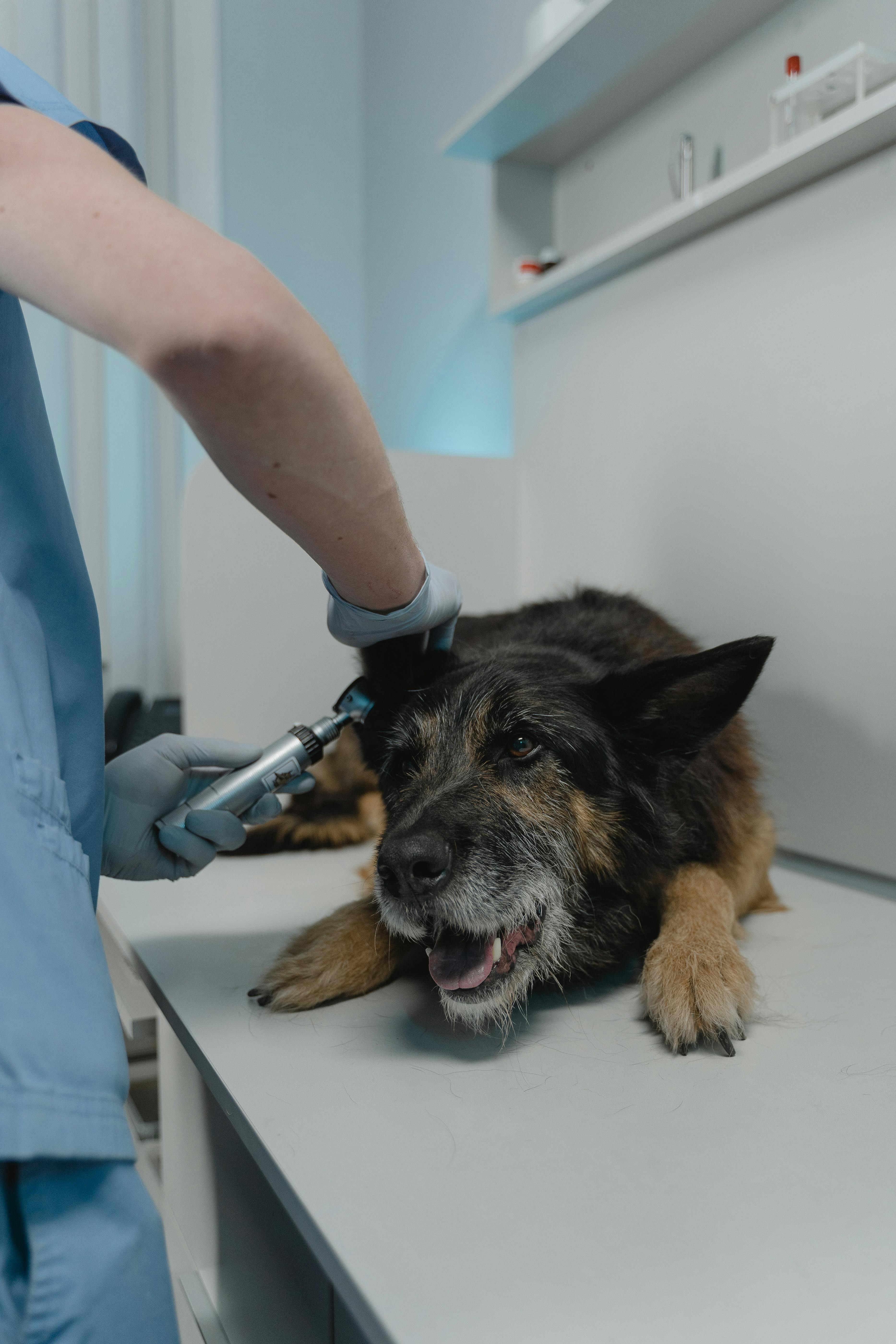
Veterinary care is where costs become genuinely unpredictable. A routine annual health check and booster vaccinations will typically cost between £50 and £100 depending on your practice and location, but that's before you factor in dental work, flea and worming treatments, or anything that goes wrong. The CMA's veterinary market investigation, published in 2024, found significant variation in prices between practices — even within the same town — which is precisely why comparing vet consultation prices near you now matters more than it ever did.
Pet insurance is the other major variable. The Association of British Insurers (ABI) has reported rising premiums across the pet insurance market in recent years, with comprehensive lifetime policies for medium-to-large breeds now commonly running to £50–£80 per month. Cheaper accident-only or annual policies exist, but they carry significant coverage gaps that can leave owners exposed to four-figure bills. The honest truth is that going uninsured is a calculated risk — one that works out fine until it doesn't.
How Much Does a Vet Consultation Cost in the UK?
A standard vet consultation in the UK in 2026 typically costs between £40 and £80, though prices vary considerably by region and practice type. Out-of-hours emergency consultations are significantly more expensive, often ranging from £150 to £300 or more for the initial consultation alone, before any treatment costs are added.
The gap between practices isn't trivial. The CMA's 2024 market investigation into the veterinary sector found that the UK vet market has become increasingly concentrated — the top six corporate groups now own a substantial share of practices — and that consumers have historically had limited ability to compare prices before committing to a practice. As part of the CMA's remedies, vet practices in the UK are now required to publish key pricing information, including consultation fees, so that owners can make more informed choices.
This is a meaningful shift. If you've always assumed your local vet's prices were typical, you may be surprised to discover what practices a few miles away charge for the same services. Use MyVetFinder to compare vet consultation prices near you to see the real range in your area.
What Do the CMA Vet Pricing Reforms Mean for Dog Owners?
Following the Competition and Markets Authority's 2024 veterinary market study, UK vet practices are now required to publish prices for a core set of services, including consultation fees. This means dog owners can, for the first time, compare local vet prices before registering with a practice — rather than discovering the cost only when they're already at the desk.
The reforms came after the CMA found that pet owners often felt locked in to their existing practice and lacked the information needed to shop around, even when they were concerned about cost. Transparency doesn't guarantee that prices will fall — but it does put meaningful power back in the hands of owners who are willing to do a bit of research upfront. Registering with a practice before you need it urgently, rather than scrambling for the nearest available clinic in a crisis, also helps enormously.
Is Dog Insurance Worth It in the UK?
Whether insurance is "worth it" depends entirely on your appetite for financial risk and your ability to absorb an unexpected bill. The PDSA PAW Report 2023 found that only around half of UK dog owners have pet insurance, which means a significant proportion are self-funding veterinary care entirely. For some, particularly those with savings or older dogs on fixed-cost policies, that works. For most households without a substantial emergency fund specifically earmarked for vet bills, the maths tends to favour insurance.
The key is understanding what you're buying. Lifetime policies cover ongoing conditions year after year up to the annual limit, and they're the most comprehensive — and most expensive — option. Time-limited and maximum benefit policies cost less but cap out on individual conditions, which can leave you in a difficult position mid-treatment for something like cancer or a chronic joint condition.

Annual Dog Ownership Costs at a Glance
These figures are approximations for a medium-sized adult dog in the UK in 2026. Costs for large breeds, puppies, and dogs with chronic health conditions will be higher.
| Cost | Typical Annual Range |
|---|---|
| Food | £400 – £900 |
| Vet check-ups and vaccinations | £100 – £200 |
| Flea, tick, and worming treatments | £80 – £150 |
| Pet insurance (lifetime policy) | £400 – £900 |
| Grooming | £100 – £400 |
| Boarding / dog-sitting | £200 – £800 |
| Equipment, toys, accessories | £100 – £300 |
| Total estimate | £1,380 – £3,650 |
What to Do Before Getting a Dog (or If You Already Have One)
These steps won't eliminate the financial unpredictability of dog ownership, but they give you a much more stable foundation.
- Calculate your real first-year budget. Include purchase or rehoming fee, vaccinations, microchipping, neutering, insurance setup, a crate or bed, lead, collar, and initial vet registration. Don't start with the monthly food cost and call it done.
- Compare vet prices in your area before you register. Since the CMA reforms, practices are required to publish key prices. Use MyVetFinder to search vet prices by postcode and find what consultation fees look like within a reasonable distance — the differences can be substantial.
- Choose insurance before your dog's first vet visit. Once a condition has been seen by a vet, it becomes a pre-existing condition and may be excluded from future policies. Insure before you need to claim.
- Get a lifetime policy if you can afford it. The lower monthly premium on a time-limited or accident-only policy can look appealing, but the gaps in coverage tend to appear precisely when you need cover most.
- Set a separate emergency fund even if you're insured. Insurance excesses, treatments that fall outside policy limits, and the gap period between treatment and reimbursement mean cash reserves still matter.
- Factor in breed-specific costs. Flat-faced breeds (bulldogs, French bulldogs, pugs) face a significantly higher likelihood of respiratory, dental, and surgical problems. Their insurance premiums reflect this, and so do their lifetime vet bills.
Now that UK vet practices are required to publish their pricing, there's no reason to pay over the odds for routine care simply because you've never checked what else is available locally.
Ready to compare vet prices in your area and find out what consultation fees really look like locally?